
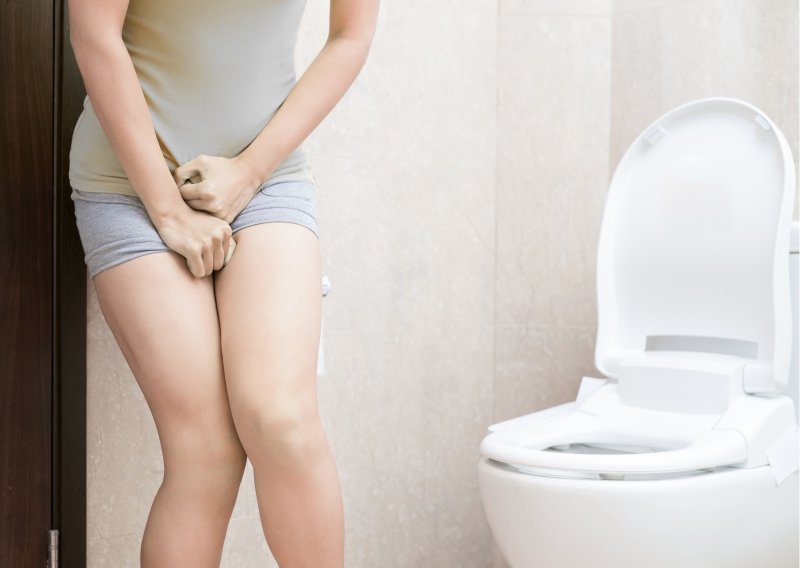
MakatiMed explains the factors that affect how often you go to the bathroom.
Its official term is micturition, but to us, it’s simply urinating or peeing, a natural and necessary function of a healthy human body. “Urination helps cleanse the body of toxins, excess sodium and fluid, and metabolic waste,” says Rolando Guillermo O. Saulog, MD, a Urology Doctor at top hospital in the Philippines, Makati Medical Center (MakatiMed).
Most people go about six or seven times a day, but there’s no need to fret if your routine looks a bit different. “If you go only four times in a 24-hour span, it is fine. And if you go 10 times, that’s okay too.”
What determines your daily bathroom breaks? Dr. Saulog highlighted these primary factors:
Age. “As we grow older, our bladder (which stores urine) does not expand as much, so it fills up faster, making our visits to the bathroom more frequent. Menopause and the decreasing production of the estrogen hormone can also affect bladder function.”
What and how much you drink. “Alcohol and caffeine are forms of diuretics, which prompt the kidneys to release extra fluid from the blood vessels. Consume copious amounts of coffee, tea, beer, or wine, and you can expect to spend a lot of time in the toilet.”
Pregnancy. “Mothers-to-be can chalk up peeing often to hormonal changes (an increase of progesterone relaxes the muscles, including those in the bladder), extra fluid and blood produced by the body, and weakened pelvic floor muscles due to an expanding uterus.”
Specific medical conditions. “If you need to urinate often, only yield small amounts each time, you may have a urinary tract infection (UTI). Diabetes can also cause you to urinate frequently, as it is the body’s way of emptying the bloodstream of excess sugar. Low potassium, too much or too little calcium, an enlarged prostate, congestive heart failure, painful bladder syndrome, and kidney issues can also make you visit the bathroom several times.”
Medicines. “Diuretics in pill form are given to individuals with high blood pressure, heart failure, edema, kidney disease, and liver disease. Certain medicines for diabetes and mental health can also make you pee more than average.”
Bladder size. “A man’s bladder can hold as much as 700 ml of urine, while a woman’s bladder can store about 500 ml.”
According to MakatiMed, peeing only 1–2 times a day is known as oliguria. This low frequency (under 500 ml) can be triggered by anything from simple dehydration to more serious issues like urinary tract blockages.
When should you see your doctor? “Definitely when your peeing includes pain or a burning sensation, or when pain is felt in your lower back, pelvis, or genitals,” says Dr. Saulog. “Blood in the urine is also a cause for concern, as is incontinence or difficulty controlling your pee.”
Beyond monitoring frequency, you should seek a professional consultation if your urine appears cloudy or dark, or if it develops a pungent, foul odor. To identify the underlying cause of irregular urinary habits, doctors utilize a variety of diagnostic tools. A standard urinalysis provides immediate insights into the specimen’s appearance and microscopic makeup, while more comprehensive kidney function tests combine blood work and urine samples to assess renal health. If an underlying medical condition is suspected, imaging techniques such as X-rays, ultrasounds, MRIs, or CT scans can provide a clearer internal view. Furthermore, specialized diagnostic services like MakatiMed’s uroflowmetry offer a non-invasive way to evaluate bladder efficiency. This particular test is essential for diagnosing issues such as a weak stream, difficulty starting, or the persistent sensation of an incomplete void.
“Healthy living ensures efficient and natural urination,” reminds Dr. Saulog. “Stay hydrated. Eat fruits and vegetables and foods rich in probiotics; they may help address recurring UTI. Avoid too much caffeine and alcohol. Pee and cleanse using an unscented soap after sexual intercourse to lower your risk of developing UTI. Women can also reduce the risk of UTI by wiping from front to back after peeing.”
“Most important: Do not hold back your pee. Go when you feel like it.”
For more information, please contact MakatiMed On-Call at +632.88888 999, email mmc@makatimed.net.ph, or visit www.makatimed.net.ph. Follow @IamMakatiMed on Facebook and Twitter.


