
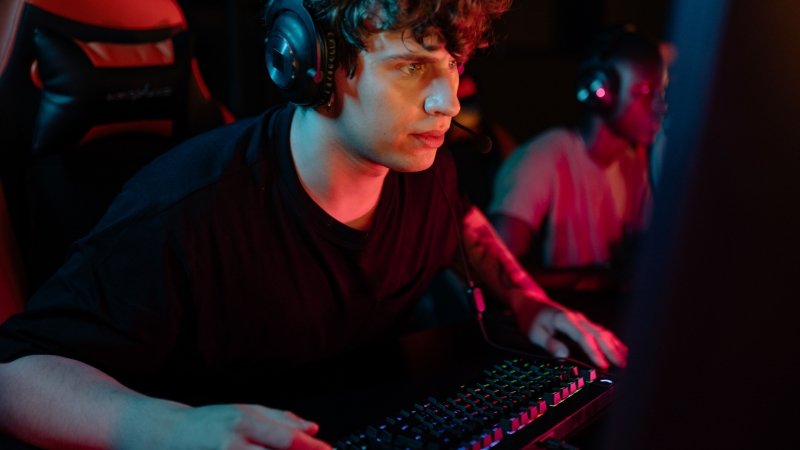
Growing up, gaming was practically second nature to me. Whether it was grinding through weekend campaign marathons, coordinating late-night skirmishes, or exploring massive open-world maps with friends, I spent countless hours behind a monitor. For many of us who grew up with a controller or a mechanical keyboard in hand, digital gaming was an exhilarating escape, a creative outlet, and a natural way to bond.
However, recent campus shootings across the country—from Tacloban to Zamboanga—have renewed intense scrutiny on youth mental health and digital media, prompting familiar knee-jerk calls to blame violent video games.
Makati Medical Center (MakatiMed) cautions against such oversimplified conclusions. According to Dr Paul Lawrence Filomeno, a board-certified pediatrician and specialist in addiction and recovery medicine focusing on screen gaming, looking solely at video games overlooks the broader picture.
A Multi systemic Reality
“To blame the game itself would be lacking. It is multi systemic, and a very complex issue,” notes Dr Filomeno.
While digital media can trigger certain behaviors or offer an environment of simulated aggression, real-world violence requires an accumulation of multiple systemic risk factors. Specialists look closely at home dynamics, school friction, histories of bullying, social pressure, and whether violence has become normalized in a young person’s everyday culture.
A teen might spend five hours immersed in virtual battles and easily step back into everyday routines, while another gaming for only two hours might struggle deeply with behavioral control, obsessiveness, and strained relationships.
Spotting the Red Flags of Gaming Disorder
For parents and guardians navigating this digital terrain, Dr Filomeno outlines three core red flags that distinguish typical gaming enthusiasm from an actual gaming disorder:
- Loss of Control: Planning to play for an hour, but repeatedly playing through five, prioritizing games over academic projects or home responsibilities.
- Functional Impairment: Gaming begins disrupting fundamental aspects of life, such as regular meals, hygiene, personal sleep cycles, and relationships.
- Difficulty in Stopping: Persisting with habits despite tangible real-world consequences, from falling grades and skipped classes to sacrificing personal allowances.
The “6S” Framework: How Families Can Monitor and Guide
Addressing excessive digital dependency requires collective support. As Dr Filomeno underscores, while multi-specialist care involving guidance counsellors and psychologists is vital, families remain the foundation of intervention, accounting for ninety per cent of the effort. Parents must also model the digital discipline they expect from their children.
To help families assess the impact of gaming, MakatiMed highlights the 6S checklist:
- Sleep: Ensure screens are not encroaching on essential restorative rest.
- Safety: Verify that young people are protected from malicious strangers and predatory online interactions.
- Self-regulation: Observe emotional reliance—does your child use screens solely to cope with distress, and how do they respond when limits are introduced?
- School: Keep tabs on academic consistency and classroom engagement as practical gauges of digital balance.
- Social Connection: Check whether your child maintains healthy, empathetic face-to-face interactions outside the virtual lobby.
- Security: Stay actively informed, aware, and engaged with what your child experiences online.
Small Steps Forward
Recovering balance in a connected world is an incremental journey. Reducing daily gaming time from eight hours to seven is already meaningful progress. Rather than treating gaming as an enemy to be eliminated, the true path forward lies in empathy, active family presence, and addressing the underlying emotional pressures our youth face today.
For professional consultations and clinical guidance on adolescent wellness, reach out to MakatiMed On-Call at +632.88888 999 or visit makatimed.net.ph.


